Jelly Bubble: The Playful Display Font for Viral Campaigns
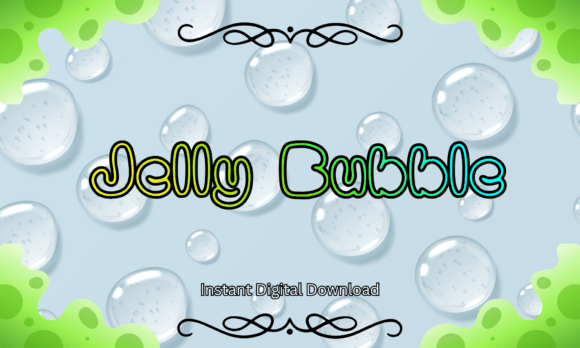
The clock is ticking, and the launch graphic needs to pop. I’m staring at a blank canvas in Canva, trying to bridge the gap between our product’s quirky personality and the need for instant readability on a mobile feed. We aren’t selling corporate software; we are launching a line of fun, colorful accessories that demand attention. That is when I remember Jelly Bubble. This isn’t just another typeface choice; it is a strategic asset that instantly communicates joy, softness, and approachability. By bringing playful bubbly vibes to your creative projects with Jelly Bubble Font ✨🫧, you transform static text into an engaging visual experience that stops the scroll.
Why Jelly Bubble Elevates Social Media Graphics and Thumbnails
In the crowded ecosystem of digital marketing, first impressions are formed in milliseconds. When designing for platforms like Instagram, TikTok, or YouTube, the font you choose dictates the emotional tone before the user even reads the caption. Jelly Bubble is a rounded display font that features soft bubble-style lettering with a fun cartoon aesthetic, making it perfect for cheerful branding. Unlike rigid sans-serifs that can feel cold, this creative font mimics the tactile satisfaction of jelly or soap bubbles, creating an immediate sense of playfulness. For content creators and social media managers, using a distinctive typeface like this helps establish brand recognition across a series of posts. Whether you are crafting a thumbnail for a vlog or a story highlight cover, the unique shape of each character adds character without sacrificing legibility, provided it is used as a headline rather than body copy.
Using Jelly Bubble for Sale Announcements and Promo Graphics
One of the most effective ways to utilize this adorable, rounded display font is during high-energy sales events or limited-time offers. Imagine a promotional banner for an online shop campaign. Standard bold fonts can sometimes feel aggressive or discount-heavy, but Jelly Bubble softens the message while maintaining impact. It suggests that the deal is fun and exciting rather than desperate. I recently used it for a weekend flash sale on a digital template pack. By pairing large, bubbled letters for the word "SALE" with smaller, clean supporting text, we created a clear visual hierarchy. The eye is drawn to the texture and roundness of the main headline, which conveys enthusiasm. This approach works exceptionally well for seasonal content, such as Valentine’s Day hearts or summer vacation themes, where the font’s aesthetic aligns perfectly with the mood of the season.
Optimizing Readability for Mobile Feeds and Dark Modes
As marketers, we often design on desktops but view our work on small smartphone screens. This discrepancy is where many campaigns fail. A complex, thin script font might look elegant on a monitor but becomes illegible in a quick-scrolling Instagram feed. Jelly Bubble solves this by virtue of its thick, rounded strokes. The generous spacing and substantial weight ensure that the letters remain distinct even at smaller sizes. When placing this font over busy backgrounds or images, the solid form of the characters provides enough contrast to stand out. However, strategic color choices are still essential. On light backgrounds, a dark, saturated color ensures clarity, while on dark backgrounds, a bright white or neon pastel version of the font creates a glowing effect that enhances the "bubble" illusion. For email banners and website headers, this readability factor reduces cognitive load for the viewer, allowing them to grasp the core message—such as a webinar title or course launch date—in under two seconds.
Pairing Jelly Bubble with Clean Sans Serif Typography
No single font can do everything. To maximize the effectiveness of Jelly Bubble, it must be paired correctly. The best practice is to combine this display font with a neutral, clean sans serif font for body text and detailed information. The contrast between the whimsical, irregular shapes of the bubbles and the structured, geometric lines of a modern typography system creates a balanced composition. For instance, if you are designing a landing page header, use Jelly Bubble for the main value proposition and a simple sans serif for the bullet points describing features. This pairing prevents visual fatigue and guides the user’s eye logically through the content. It also allows the brand identity to shine through the headline while maintaining professional credibility in the details. Avoid pairing it with other decorative or script fonts, as this can create a chaotic visual noise that confuses the audience.
Strategic Use Cases for Brand Identity and Merchandise
Beyond digital ads, this versatile typeface opens up opportunities for broader brand application. Because Jelly Bubble has such a strong personality, it works beautifully for logo design elements, particularly for brands targeting younger demographics or those in the lifestyle, beauty, and entertainment sectors. Think about packaging design for candy, cosmetics, or children’s toys; the font naturally complements these industries. Furthermore, it is highly effective for branded content series, such as a weekly quote graphic or a behind-the-scenes reel cover. The font’s ability to convey cheerfulness makes it ideal for building a community around a brand. When users see the distinctive bubble style, they immediately associate it with your specific voice. This consistency strengthens brand recall, turning casual viewers into loyal followers who recognize your content instantly, even without seeing the logo.
Checking Licensing and File Formats for Commercial Projects
Before finalizing any campaign assets, it is crucial to verify the technical and legal specifications of the font. Ensure that the file formats included—typically .OTF and .TTF—are compatible with your design software. More importantly, check the commercial font licensing terms. If you are using Jelly Bubble for client campaigns, merchandise production, or digital products sold to others, you may need an extended license. Understanding these details protects your business from potential legal issues. Additionally, explore the available weights and alternates within the font family. Some bubble fonts offer multiple styles that can add variety to your designs without introducing a second typeface. Utilizing these built-in variations allows you to maintain a cohesive look across different touchpoints, from Pinterest pins to YouTube thumbnails, ensuring that every piece of content feels like part of a unified whole.
Enhancing Message Clarity Through Visual Hierarchy
Effective design is not just about making things look pretty; it is about communicating clearly. Jelly Bubble aids in message clarity by acting as a visual anchor. In a layout filled with images, icons, and blocks of text, the bubbled headline stands out as the primary focal point. This helps guide the audience’s attention to the most important information first. For example, in a webinar promotion, the title should be the largest element, utilizing the font’s unique shape to grab interest, while the speaker’s name and time details remain secondary in a simpler font. This hierarchy respects the user’s time and intent. By strategically deploying a creative font like this for key callouts, you reduce the likelihood of misinterpretation. The playful nature of the letters also lowers the barrier to engagement, making the content feel more accessible and inviting, which is particularly valuable for educational or instructional content where you want to encourage participation.
Building Consistent Promotional Content Sets
Consistency is the backbone of successful marketing campaigns. Using Jelly Bubble across a set of promotional graphics—from Facebook ads to Instagram stories—creates a recognizable pattern. When audiences see the same distinctive font style repeated across different platforms, it reinforces the campaign’s theme. This repetition builds familiarity and trust. For entrepreneurs and small business marketing teams, this means you don’t have to reinvent the wheel for every post. You can create a template library where Jelly Bubble is the standard for headlines, allowing you to swap out images and colors quickly while maintaining a professional and cohesive brand image. This efficiency is invaluable during busy launch periods, enabling you to produce high-quality content at scale without compromising on design integrity. Ultimately, choosing the right display font is a decision that impacts both aesthetics and performance, and Jelly Bubble offers a compelling solution for brands looking to inject energy and charm into their digital presence.